Your fall home maintenance checklist | PEMCO
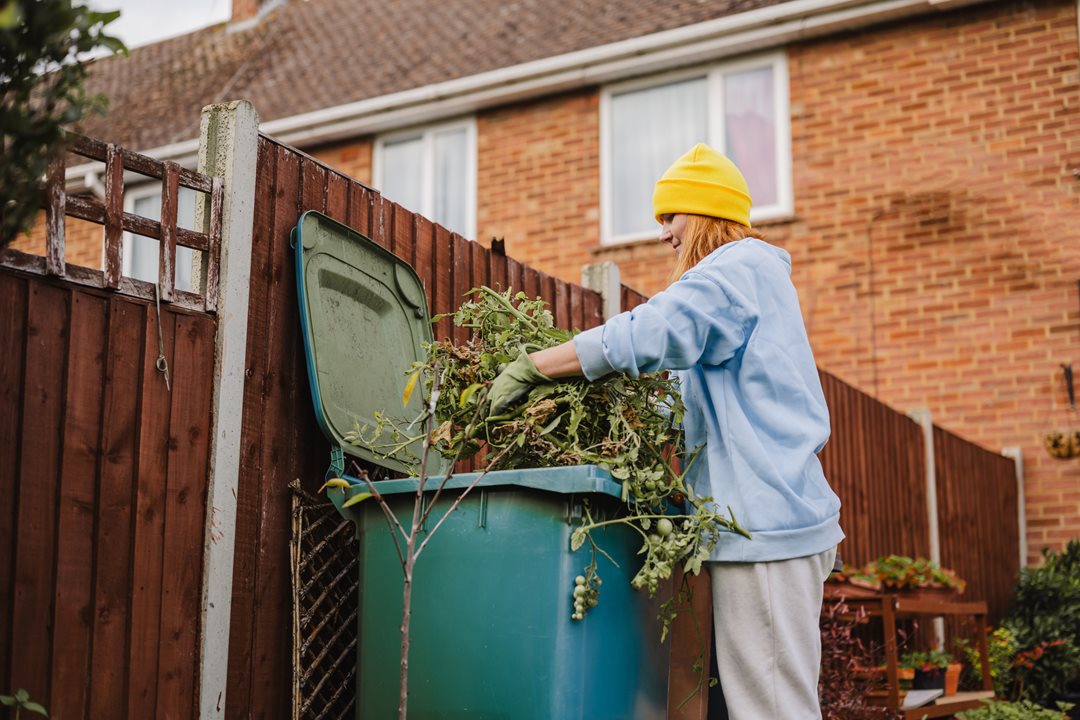 Daylight hours aren’t the only thing fading fast this time of year. October is your last chance to handle fall home maintenance before persistent rain, wind, and chilly temps hit the Pacific Northwest and put your home at risk.
This roof-to-foundation checklist can help you make sure you don’t miss any steps to prevent the preventable:
Fall maintenance for your roof:
-
Inspect your roof for curled and missing shingles or damaged flashing that could invite leaks (and potential structural damage or mold) during fall and winter storms. If you’re nervous on a ladder or unsure what you’re looking at, now’s a great time to call a roofing professional since they’re past the peak of roofing season but not yet slammed with maintenance calls after storms.
-
Trim overhanging tree branches and inspect nearby trees. Not only can a heavy branch seriously damage your roof if it falls during a windstorm, but a buildup of fallen leaves and needles makes it hard for your roof to dry out fully, causing shingles to lift (letting water seep in) and shed their UV- and fire-protective granules.
Check trees for signs of disease like yellowing needles and dead branches. Another red flag: wood shavings near a tree’s base that could mean insects have invaded. If in doubt, hire a professional arborist to check out your trees.
Fall maintenance for managing runoff:
-
Clean your gutters. Clogged gutters can overflow during storms, causing runoff to flood your crawlspace, damage siding and fascia boards, erode planting areas, and even impact your foundation or wick in around doors. Twice a year – spring and fall – clear debris out of your gutters. We recommend hiring professional gutter cleaners who have the equipment and know-how to manage this risky job safely. If you decide to clean them yourself, check out this quick PEMCO video for stay-safe tips.
-
Aim downspouts away from your home. If your downspouts don’t tie directly into drains and, instead, empty on the ground, make sure they’re pointed away from your foundation. Add downspout extenders so they empty into the yard, far from your basement or crawlspace.
If your gutters are running over even though they’re clean, make sure you don’t have blocked underground pipes that carry water from your home’s downspouts into storm drains on your street. A rooter service can use a pipe-scoping camera to find blockages and remove them with water jets or cutting tools.
-
Check your sump pump. Your sump pump, if you have one, helps protect your basement from runoff. To make sure it’s rain-ready, pour a bucket of water into the sump pit to test whether the pump turns on and drains the water. Consider installing a sump pump alarm (connected to your smartphone) that will alert you if the pump fails or the water level rises too high. If you already have an alarm, now’s a great time to replace the batteries.
Fall maintenance for your pipes:
-
Disconnect garden hoses. Water trapped in faucet pipes can freeze, potentially rupturing the pipe and causing a leak when the ice thaws. To prevent that, disconnect your garden hose and protect the faucet with a foam cover. If it has an indoor valve, turn it off and open the faucet to drain any trapped water before putting on the foam cover.
-
Wrap exposed pipes. Uninsulated pipes in your attic, crawlspace, workshop, or garage can freeze solid and rupture during cold snaps. Once they thaw, they can spew water, causing serious water damage in minutes, especially if you’re not home to immediately shut off the water. Wrap them with insulation and plug cold-air leaks around pipe installations with caulk or insulation. Learn more with this short video on frozen pipes.
Fall maintenance for your heating system:
-
Clean your chimney. If you burn more than one-half cord of wood per year, clean your chimney at least annually to remove creosote, a flammable by-product of wood-burning that can build up inside your chimney and start a chimney fire. Clean it more often if you rely on wood as your primary heat source, burn unseasoned wood, or burn with your woodstove’s damper partially closed. Besides removing creosote, a chimney professional can fix common problems like damaged flashing or rusted chimney caps before costly moisture damage sets in. That’s why you may want to book a professional inspection even if you rarely use your fireplace.
-
Schedule furnace service. While changing your furnace filter every three months is a great start, most furnaces also need professional annual maintenance (see your owner’s manual for recommendations). Besides ensuring your furnace isn’t headed for a breakdown, furnace professionals check for signs of damage or gas leaks. Schedule now to avoid the rush. Furnace contractors often are swamped when homeowners realize their furnace isn’t working after the season’s first big cold snap.
Fall maintenance for your foundation:
-
Check your crawlspace. Spiders may not be the scariest thing in your crawlspace. If you haven’t ventured down there in the past 12 months, it’s time to check for signs of trouble that could lead to structural damage. Pay attention to fallen insulation, foundation cracks (small vertical cracks are usually OK, but horizontal cracks can be worrisome), unexplained puddles, broken pipes, shifted supports, or pests. Look closely under kitchen, bathroom, and laundry areas where slow, hidden leaks could be damaging flooring and soaking insulation. If you’re uncomfortable going under your house, you can hire a contractor who specializes in crawlspaces to check it for you.
Smart prevention any time of year
Many fall-maintenance tips focus on one thing: preventing water from seeping in where it doesn’t belong.
We know that even when you do everything right, water can still find a way to create hassle for homeowners. That’s why PEMCO partners with members two ways to help them further safeguard their homes. We offer discounts for members who install water leak detectors in leak-prone areas like the kitchen, bathroom, and laundry room (talk with your local PEMCO agent or call 1-800-GO-PEMCO). And now, we offer preferred-pricing access on a whole-house Moen Flo Shutoff. You can get details about the Moen Flo Shutoff offer here.
Want more home-maintenance tips? The PEMCO Blog has you covered year-around.
Share on social media