Are there types of water damage not typically covered by insurance?
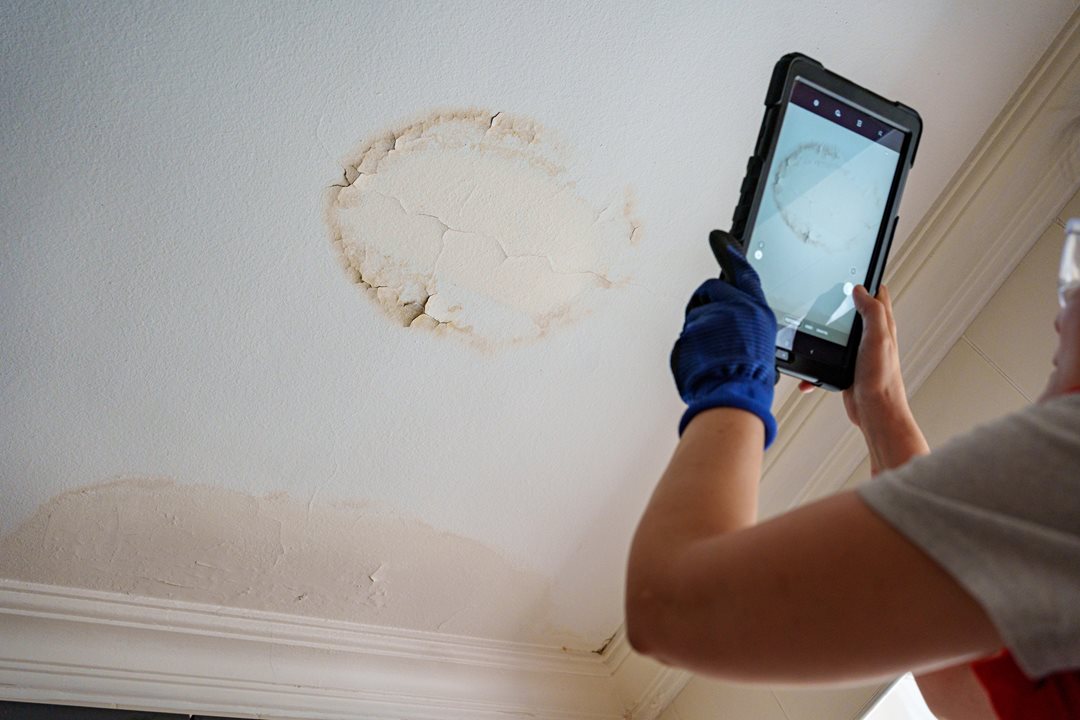 When PEMCO asked Pacific Northwest residents which home insurance claims cost the region the most, half said house fires. Fire is the most severe loss a homeowner can have, but water damage claims are about seven times more common. Leaks, burst pipes, and appliance failures cause 45% of all interior property damage in U.S. homes, more than fire and burglary combined. All those claims add up, and claims costs shape what everyone pays for coverage.
That's why prevention matters. Catching a leak early can help keep rates in check for you and your neighbors, and it can save you a big cleanup. It also matters for coverage. Insurers most often deny claims when water damage built up slowly from a leak that could have been spotted or avoided all together with routine maintenance.
It's an easy mistake to make. A house fire is dramatic and immediate: smoke, flames, one terrible night. Water damage usually isn't. A slow roof leak, a worn supply line, a gutter that's been clogged since last fall: none of it looks urgent until the damage is already done.
Sudden leak or slow one? Here's why it matters for coverage.
When water damage happens, how quickly it’s discovered and addressed can be important when it comes to a claim.
Damage from a sudden burst pipe is often covered if you report it and get it fixed quickly. That's because water damage that occurs in this manner is sudden and accidental. A slow drip or a crack that lets water in over an extended period can often be denied, especially if the damage was caused by deferred maintenance.
Small problems that go unfixed can turn into bigger ones, like mold and rot. Catching them early saves you money and stress.
Here are a few examples and common causes of slow leaks or water damage that accumulates over time:
-
Grout that's failed, letting water seep beneath a tub or shower
-
Slow water seepage at the base of a toilet or shower pan
-
Water that's wicked into subflooring and warped hardwood floors near an exterior door
-
Rotted decks, fences, or gazebos from ongoing moisture exposure
-
Gutter, downspout, or irrigation systems that have failed due to deferred maintenance
-
Roofs that weren't maintained or are past their expected lifespan
These issues build slowly, which is why regular upkeep matters.
Questions about what your policy covers? Your PEMCO agent can walk you through it.
Catching it before it becomes a claim
Most of what leads to a denied water damage claim is the kind of thing regular maintenance catches early. Our Maintain, Inspect, Monitor checklist breaks prevention into three habits:
-
Maintain appliances with a continuous water supply, such as washing machines, dishwashers, water heaters, and refrigerators.
-
Inspect your home regularly for early warning signs before they turn into damage. Look out for: rust or sediment build-up on your water heater, debris that may have fallen into your sump pump pit (if you have one), and water spots on your ceiling or walls .
-
Monitor the risk areas most likely to fail. Water leak sensors are a simple, low-cost way to get ahead of water damage before it becomes a major headache. Many sensors these days can even send alerts directly to your phone. (Plus, they may qualify you for a protection device discount on your PEMCO policy!)
Not sure what your policy covers?
Log into your PEMCO account or the Go PEMCO app to check your policy anytime, or talk it through with a licensed PEMCO agent who lives in the Northwest, too.
Share on social media