Washing machine maintenance tips to help prevent water damage
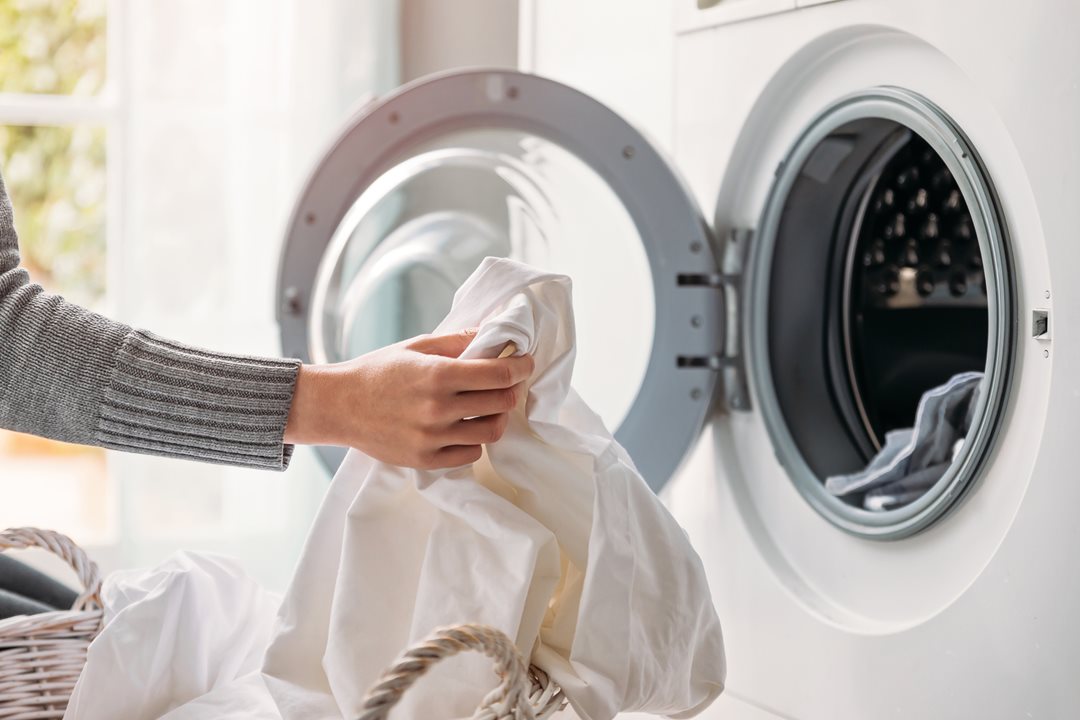 A failing washing machine isn’t just an inconvenience—it can lead to serious water damage if leaks go unnoticed. With a few simple maintenance steps and smart laundry habits, you can help prevent washing machine leaks, extend the life of your appliance, and protect your home.
According to Consumer Reports, about 30% of new washers break down within five years, and most last around 10 years. Routine care can help reduce breakdowns and lower the risk of unexpected water damage.
Always follow guidance in your owner’s manual, but these washer maintenance tips apply to most machines and focus on leak prevention first.
Set up your washer to prevent leaks
Make sure it’s level
An uneven washer can vibrate excessively, loosening connections and wearing out internal parts. Use a level to ensure all four feet are firmly on the floor and adjust as needed.
Use steel‑mesh washing machine hoses
Rubber hoses can crack or burst over time and are a common cause of laundry room water damage. Replace them with steel‑mesh braided hoses and swap hoses every five years, even if they look fine.
Install water leak sensors
Water sensors near your washer can alert you to leaks early—before they cause major damage. Early detection is one of the best ways to prevent costly repairs.
Talk to your PEMCO agent or call 1-800-GO-PEMCO to inquire about a protection‑device discount for homeowners and renters who install water sensors.
Load the washer the right way
Don’t overload the machine
Heavy, wet laundry strains bearings, seals, and hoses, increasing the risk of mechanical failure and leaks.
Balance every load
Unbalanced loads cause heavy vibration during the spin cycle. Wash bulky items with towels to help distribute weight evenly.
Avoid items that can cause clogs
Rubber‑backed rugs and memory foam pillows can break down and clog pumps or filters. Remove excess pet hair before washing—hair buildup can block drain lines and cause backups.
Keep small objects out of the drain system
- Check pockets for coins, keys, and paper clips
- Wash bras in a laundry bag to prevent loose wires from damaging the pump
Clogs in the drain system can increase pressure inside the washer and lead to leaks.
Use the right detergent (and less of it)
Choose HE detergent for high‑efficiency washers
HE machines use less water and require low‑foam detergent.
Measure carefully
Too much detergent leaves residue that can clog drains and block proper water flow, especially in front‑loading washers. A standard HE load needs about two teaspoons of liquid detergent or one pod.
Keep the washer clean and dry
Leftover moisture can lead to odors, mold, and slow leaks. To prevent this:
- Remove wet clothes promptly
- Wipe the drum and door gasket after use
- Clean front‑loader doors with glass cleaner to maintain a tight seal
- Clean the washer drum monthly using a commercial tablet or:
- ½ cup baking soda in the drum
- 1 cup white vinegar in the detergent dispenser
- Run a hot cycle
- Clean the detergent dispenser
- Leave the door open between loads to fully dry
Preventing water damage starts with small habits
Washing machines work hard, and when something fails, water damage can add up fast. Routine maintenance, updated hoses and early leak detection can help protect your home and give you peace of mind.
A little prevention today can help you avoid a much bigger mess tomorrow.
Share on social media