Power Outage Preparedness for PNW Homes | PEMCO
Power Outage Preparedness: What Every PNW Household Should Have
Puget Sound Energy's own 2025 report card shows customers averaged 178 minutes without power over the course of the year, nearly three hours, in a year with no major regional storm. When a big one does hit, outages stretch from hours into days. The bomb cyclone in November 2024 knocked out power to more than half a million homes across Washington and Oregon overnight.
We live in a region that gets hit. The question isn't whether you'll lose power, it's whether you'll be ready when you do.
What Should a Power Outage Kit Include?
Think of it less as a kit and more as a layer of your home that you set up once and maintain. Here's what to stock:
- Water. One gallon per person per day, for at least three days. More if you have pets. Tap water in a clean container works, just rotate it every six months if you're not going through it naturally.
- Food that doesn't need cooking. Canned goods, nut butters, crackers, dried fruit. Keep a manual can opener with them. A lot of people stock canned goods and forget the opener.
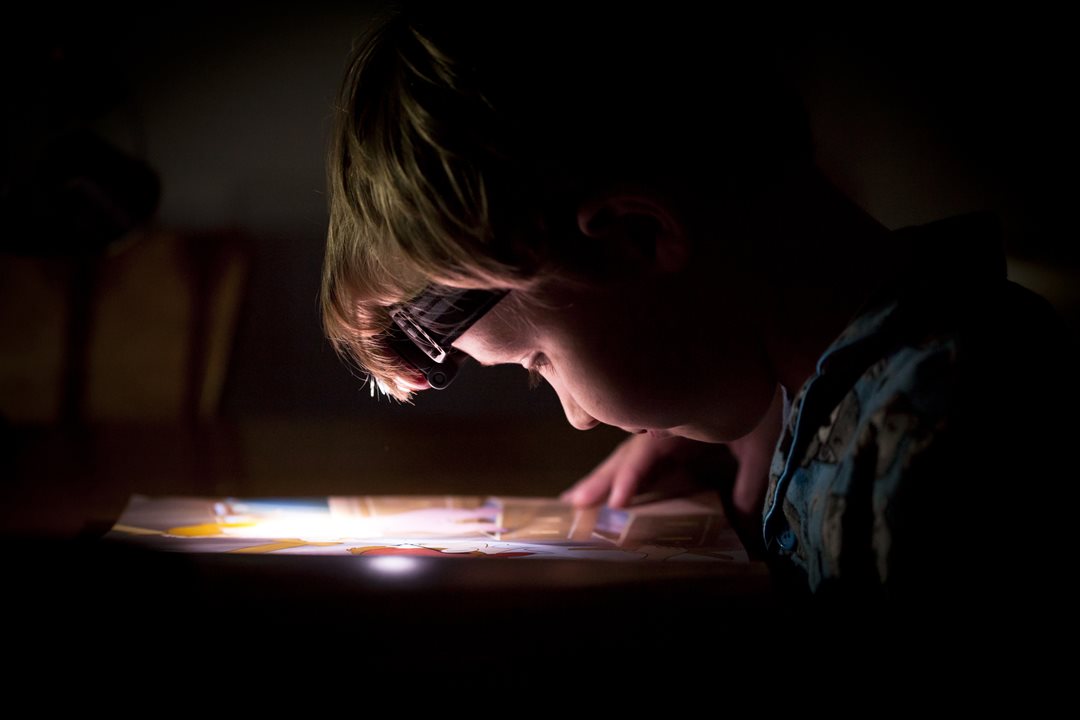
- Flashlights and batteries. Not one flashlight. One per person, plus extras stored separately from the devices. Headlamps are underrated. Hands-free light matters when you're navigating a dark house with kids or pets.
- A battery-powered or hand-crank radio. Your phone will need charging. A weather radio keeps you connected to emergency alerts when cell service gets spotty. The Washington Emergency Management Division recommends keeping one in every home.
- A portable phone charger. Keep it charged. It goes dead sitting in a drawer, so plug it in once a month.
- Cash. Card readers go down when the power does. A small amount of cash on hand means you can still buy what you need at stores that are open.
- First aid supplies. Bandages, antiseptic, and any prescription medications in at least a three-day supply. Don't wait for an outage to discover you're out of something.
- Warm layers and blankets. Northwest winters get cold fast without heat. If your furnace runs on gas, it still needs electricity to operate. Don't assume you'll stay warm just because you have a gas line.
How Long Should I Prepare For?
While the standard guidance is 72 hours, Northwest storms have stretched well beyond that.
A more realistic target for Pacific Northwest households is five to seven days of self-sufficiency. Downed trees across rural roads, flooded access routes, and high repair demand across multiple utilities can all extend timelines significantly.
Is It Safe to Use a Generator During a Power Outage?
Generators are one of the most useful things you can have during an extended outage, and one of the most dangerous if used incorrectly.
Carbon monoxide (CO) is the risk. Generators produce CO, and running one indoors, in a garage, or near an open window can be lethal. During the February 2021 ice storm, four people died of carbon monoxide poisoning in Clackamas County alone as households lost power and turned to other sources of heat. Unfortunately, it's not a unique situation. It happens across the Northwest when severe weather knocks out power, and it's almost always preventable.
The rules are simple:
- Run generators outside only, at least 20 feet from any window, door, or vent.
- Never run one in a garage, even with the door open.
- Make sure you have a CO detector with battery backup so it works during the outage itself.
We go into more detail on CO detector placement and requirements for Northwest homes in our CO and gas detectors guide.
What About Heating During an Outage?
- Have a backup for your gas furnace. If the power is out, your gas furnace likely won't run. Have a plan before you need one: extra blankets, a wood-burning fireplace if you have one, or a propane space heater rated for indoor use.
- Prep your fireplace before storm season. If you only light yours when the power goes out, have the chimney inspected and cleaned ahead of time. Creosote buildup and blockages from nests or debris are common in fireplaces that sit unused. When you do use it, open the damper before lighting, burn dry, seasoned wood, use a screen, and never leave the fire unattended. Make sure it's fully out before you go to bed.
- Ventilate propane heaters. Indoor-rated propane heaters are safer than generators, but they still produce some CO. Follow the manufacturer's instructions, crack a window, and keep a CO detector nearby.
- Never use a gas range for heat. It seems obvious, but it happens. A gas stove is not a heating device. Using it that way produces carbon monoxide and creates a fire risk.
- Use electric space heaters with care. They only help if you have power or a generator, but a small electric space heater used safely is a reasonable option in the right situation. Keep them away from anything flammable and never leave them running while you sleep.
What Should I Do When the Power First Goes Out?
A few things worth doing in the first 30 minutes:
- Report the outage. Your utility can't fix what it doesn't know about, and reporting takes a minute online or through its app. In Washington, that includes Puget Sound Energy, Seattle City Light, or Tacoma Public Utilities. In Oregon, it's Portland General Electric or Pacific Power, which also serves parts of Washington. The sooner outages get reported, the sooner crews can prioritize repairs.
- Unplug major appliances. When power returns, a surge can damage electronics. Unplug computers, TVs, and appliances. Leave one lamp plugged in so you know when power is back.
- Keep the refrigerator and freezer closed. A full freezer stays safe for up to 48 hours. A refrigerator holds for about four hours. Every time you open the door, you shorten that window.
- Check on neighbors. Especially elderly neighbors or anyone with medical equipment that requires power.
Does Homeowners Insurance Cover Power Outage Damage?
Sometimes. It depends on what caused the damage and what your policy covers.
Spoiled food. If the power is out for at least 72 hours in a row, PEMCO homeowners policies cover up to $500 for the contents of a refrigerator or freezer at your home. Once you know the power is out, take reasonable steps to protect your food: keep the doors closed and move what you can to a cooler.
Frozen pipes. If an outage leads to a pipe freezing and bursting, the resulting water damage may be covered, depending on the circumstances.
Power surges. Damage to electronics or appliances when power comes back on can sometimes fall under personal property coverage, depending on the cause.
Every policy is a little different, and the time to find out what yours covers is before storm season, not while you're filing a claim.
Get Ready Before the Next Storm
The best time to build your outage kit is on a calm day, not when the wind picks up. Stock what you need, check it twice a year, and make a plan for heat and power before you need one.
And if you want to know how your coverage fits into that plan, we're here to help.
Share on social media