Lawn and yard tips to reduce wildfire risk around your home
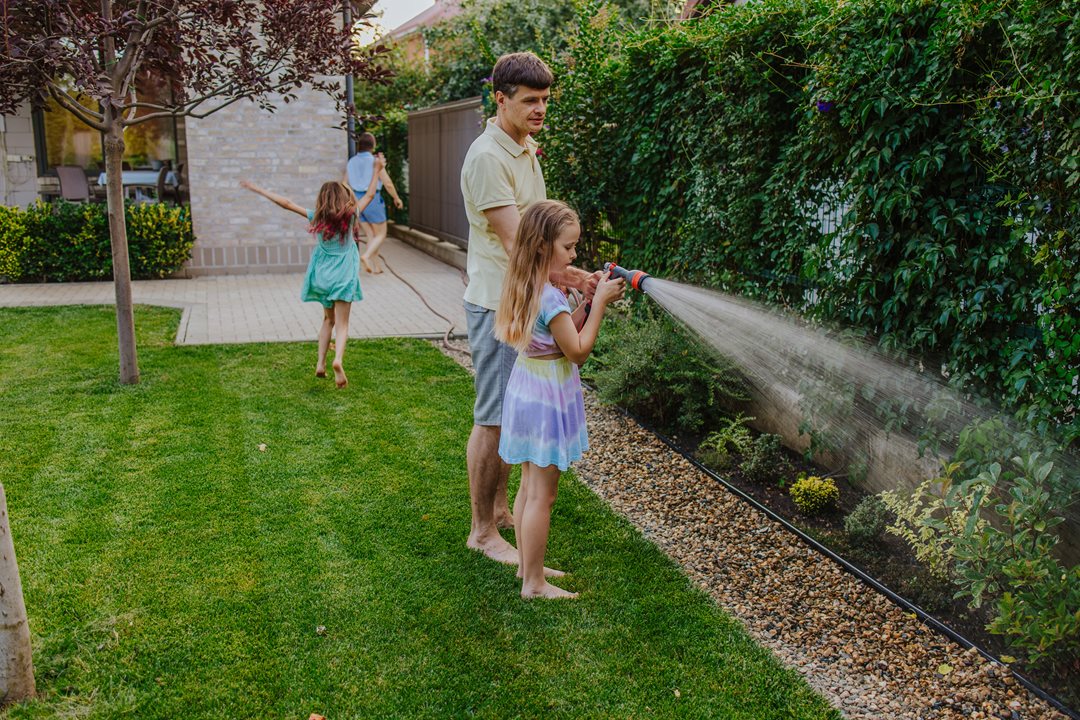 A healthy lawn does more than look good. It can help protect what matters most.
During wildfire season in Washington and Oregon, the space closest to your home plays an important role in slowing or stopping the spread of fire. Lawn care for wildfire prevention is not complicated. A well-maintained lawn, along with thoughtful yard care, can help reduce wildfire risk around your home by limiting dry fuel and giving embers fewer places to spread.
It does not take a full landscaping overhaul to make an impact. A few thoughtful steps can help you plan, prepare, and prevent.
Lawn care wildfire prevention starts with knowing your lawn
Not all brown grass is a problem. In the Pacific Northwest, lawns often go dormant during dry summer months.
Try a quick check:
- The tug test: Gently pull a handful of grass.
- If it comes out easily, it is likely dead
- If it resists, it is likely dormant and can recover
- Color patterns:
- Even, straw-colored areas usually mean dormancy
- Patchy green and brown areas may signal damage or die-off
Knowing the difference helps you choose the right next step without overworking or overwatering your yard.
Why lawn care matters for wildfire prevention and defensible space landscaping
A well-maintained lawn and surrounding yard can support your defensible space landscaping plan and help reduce wildfire risk around your home by:
- Reducing combustible material near your home
- Slowing the spread of fire across your property
- Creating a more defensible space for firefighters
- Supporting overall wildfire preparedness for homeowners
These are small, practical actions, but together they can make a meaningful difference.
When to water your lawn and conserve water during wildfire season
Keeping your lawn healthy does not mean using more water. It means using it well, especially during hot, dry months.
- Water early in the morning, before 10 a.m., to reduce evaporation and help moisture reach the roots
- Avoid watering during the hottest part of the day
- Water less often, but more deeply, to support drought-tolerant lawn care
- Let dormant lawns rest. Many recover with seasonal rain without extra watering
Making smart choices about when to water your lawn in hot weather helps conserve water while supporting a healthier, more resilient yard.
How to reduce wildfire risk around your home with yard maintenance
Your lawn is just one part of your home’s wildfire preparedness plan. Yard maintenance for wildfire prevention also includes clearing and spacing vegetation.
Take a few minutes to look for materials that could catch or spread fire:
- Replace or reduce combustible mulch such as beauty bark near your home
- Trim and space out shrubs and bushes, especially near structures
- Clear dry leaves, pine needles, and yard debris
- Clean gutters and check under decks for buildup
- Maintain a clean area within the first five feet around your home
Reducing these risks supports defensible space and helps protect your home during wildfire season.
Lawn care tips to restore your yard and improve wildfire safety
If your lawn is struggling or mostly dead, overseeding can help restore it while improving your home’s protective buffer.
Plan your lawn care approach
- Check for compacted soil, excessive thatch, or bare patches
- Consider a simple soil test to understand nutrient needs
Prepare your lawn for regrowth
- Remove thatch so seed can reach the soil
- Aerate compacted areas to improve water absorption
- Mow shorter than usual before seeding
Prevent future risk with smart lawn care
- Choose grass seed suited to your Pacific Northwest conditions
- Use a light top layer, such as peat moss, to retain moisture
- Apply a starter fertilizer based on soil needs
- Water lightly at first, then less frequently as roots establish
These simple lawn care tips support both lawn health and long-term wildfire prevention.
Small steps can help reduce wildfire risk around your home
You do not need to do everything at once. Start with the areas closest to your home, where changes can have the biggest impact.
Small actions add up:
- Keep grass trimmed and maintained
- Water efficiently and conserve where possible
- Clear vegetation and remove yard debris
- Choose less flammable landscaping materials
Lawn care and wildfire prevention that fit real life in the Pacific Northwest
Protection should make sense for real life in the Pacific Northwest. That means practical guidance and support that fit Northwest weather conditions, patterns, and realities.
Lawn care and wildfire prevention do not need to be overwhelming. Taking a few manageable steps now can help protect your home, your neighbors, and your community.
Share on social media