Know your home's emergency shutoffs | PEMCO
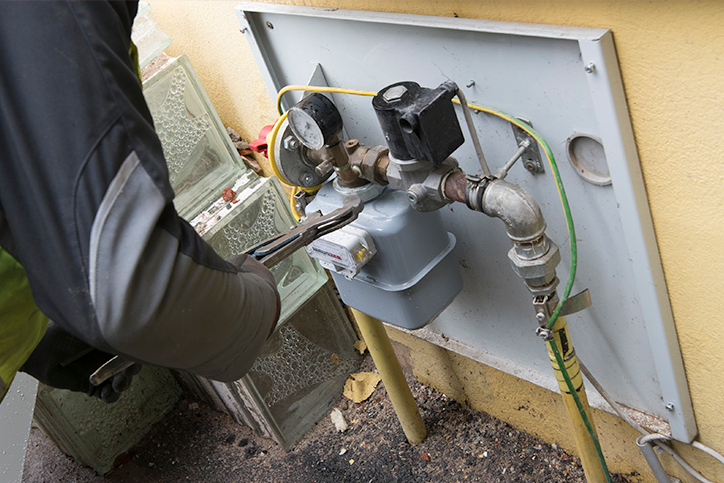
When something goes wrong at home — a gas leak, a burst pipe, a burning smell from an outlet — every second counts. But a PEMCO Northwest Poll from a few years back found that many people, especially those under 35, don’t know where their main utility shutoffs are. That’s a problem in an emergency, and it’s why PEMCO wants to help you get familiar with these essentials before you ever need them.
Below is a simple, no-nonsense guide to locating and using the main shutoffs in your home, plus smart ways to prevent damage before it starts.
How to shut off gas
If you smell a strong gas odor or feel symptoms (like dizziness or nausea):
- Leave immediately.
- Avoid anything that could spark — including light switches, landline phones, and garage door openers.
- From a safe location, call 9-1-1 and then your gas utility provider.
- If the smell is faint and you feel fine:
- Quickly open windows and doors to ventilate.
- Exit the home and call your utility provider or emergency services from a safe place.
- If your utility company instructs you to shut off the gas:
- Locate the main gas-line valve, usually the first fitting on the pipe next to your meter.
- Use a crescent wrench (store one in a sealed bag near the valve so it’s ready to go).
- Once it’s off, do not turn the gas back on yourself. Your utility provider or a certified technician must inspect and relight appliances safely.
How to shut off water
For small issues — like an overflowing toilet — turn the nearest valve clockwise to stop the flow quickly.
For the whole house:
- Look for the main water shutoff in the garage, basement, near the water heater, or under the kitchen sink.
- You also have an outdoor shutoff next to the in-ground water meter by the street. This may require a special “key” from a hardware store, and it’s often the best choice for older homes with fragile indoor plumbing.
Safety first:
- If water has pooled on the floor, don’t wade through it to reach the shutoff. Turn off your electricity first — water could be carrying electrical current.
- And after a pipe break, don’t use your water until your utility company confirms it’s safe and uncontaminated.
How to shut off electricity
This is one of the simplest — and most important — shutoffs.
- Open the metal cover to your electrical panel. Keep a flashlight nearby since it will get dark once power is cut.
- If the area around the panel is flooded, call your utility company before touching anything.
To cut power to your entire home:
- Turn off each individual circuit.
- Then switch off the main breaker.
- Note: Turning off breakers does not deactivate live power lines outside. Never approach damaged or fallen lines.
To turn power back on:
- Start with the main breaker, then switch on each circuit one at a time.
- Some breakers require you to push them past OFF before turning them back ON.
- They can feel stiff — that’s normal.
- If there’s any chance of gas line damage from a natural disaster, wait for a utility worker to confirm it’s safe before restoring power.
If you still can't find your shutoffs
- Ask a professional the next time you have plumbing, electrical, or gas appliance maintenance done.
- If you live in a condo, your building manager can show you exactly where your unit’s shutoffs are.
How sensors can help
You can make your home safer — and qualify for a discount on your PEMCO Homeowner, Condo, or Renter policy — by installing smart sensors.
Water leak sensors:
- Place them in high-risk spots like laundry rooms, bathrooms, and kitchens.
Gas and propane sensors:
- For natural gas (which rises), install them near the ceiling.
- For propane (heavier than air), install them near the floor.
- Savings increase when your sensors are self- or centrally monitored, and especially when they connect to automatic shutoff systems.
For details, talk to your PEMCO agent or call 1‑800‑GO‑PEMCO.
Share on social media