How to Prepare Your Home for a Windstorm | PEMCO
5 Ways to Prepare Your Home for a Windstorm
In the Northwest, windstorms are the leading cause of home insurance claims in November and December. When the bomb cyclone hit in November 2024, roughly half a million homes in Washington lost power. Many stayed dark for days.
Most windstorm damage starts with things you can spot and fix ahead of time. Here's how to prepare your home before the next storm.
1. Check Your Trees
Trees that fall in a windstorm usually show warning signs first. Look for dead or broken branches, trunks leaning toward your house or power lines, cracks, rot, and soil heaving at the base.
Our big firs and cedars are part of what makes living here great. They're also a big part of windstorm damage. By the time the wind picks up, the ground is often soaked from weeks of rain. Wet soil loosens roots, so even healthy-looking trees can tip.
If something looks off, have a certified arborist take a look. Don't trim anything near power lines yourself. Call your utility. Puget Sound Energy, for example, will send an arborist at no cost to check trees that are dangerously close to its lines.
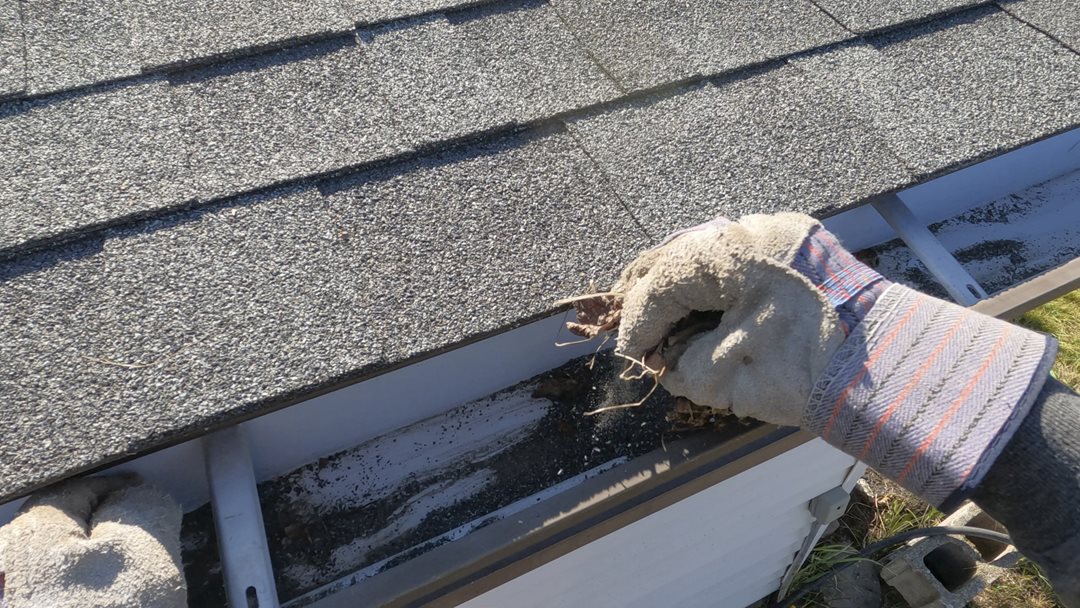
2. Clear Your Gutters and Check Your Roof
Clean gutters and a solid roof are your best defense against wind and water damage. Here, wind and heavy rain usually show up together.
Clogged gutters overflow and send water toward your foundation. Loose shingles give the wind something to grab. From the ground, look for shingles that are curled, cracked, or missing. If anything looks questionable, get a roofer out before the weather turns.
3. Secure Anything That Can Blow Away
Anything the wind can lift can damage your home or someone else's. Patio furniture, grills, trampolines, and garbage cans can end up in windows, siding, or your neighbor's car.
Before a storm:
- Bring in or tie down outdoor furniture and umbrellas.
- Anchor trampolines and play structures.
- Park in the garage, or away from large trees.
- Latch fence gates and shed doors.
4. Plan to Be Without Power for Several Days
The standard advice is to prepare for 72 hours. In the Northwest, downed trees and blocked rural roads can stretch outages well past that.
Have water, food that doesn't need cooking, flashlights, a battery-powered or hand-crank radio, a charged power bank, and warm layers ready to go.
If you'll use a generator, run it outside only, at least 20 feet from your house. Never run one in your home or garage, even with the door open. Staying warm and powered safely matters just as much.
And never bring a barbecue or camp stove inside for warmth. Generators and grills both give off carbon monoxide, which you can't see or smell and can build up fast indoors. Make sure your CO detector has battery backup so it works during an outage.
For more, see our power outage checklist.
5. Document Your Home and Know Your Coverage
Good records make any claim easier. Record a video walkthrough of every room and save it to the cloud.
Keep your policy number somewhere you can reach without power, and download the PEMCO app so you can report a claim digitally 24 hours a day.
It's also worth knowing how your policy handles fallen trees. If a neighbor's tree falls on your home in a windstorm, your own homeowners policy will usually cover the repairs. If the tree was already dead or rotting and negligence can be proven, PEMCO may have subrogation rights against your neighbor. That's something we investigate as part of the claim process.
Learn more about winter weather coverage.
Get Ready Before the Wind Picks Up
When a storm is on the way, the last thing you want to do is dig through your policy. Take a few minutes now to check what's covered, including wind damage, fallen trees, and your fence. If anything is unclear, a local PEMCO agent can walk through it with you.
If a storm does damage your home, start your claim in the PEMCO app. Digital loss reporting is available 24 hours a day, making it easy to submit a claim when it's convenient for you.
Need help with repairs? Find a contractor through PEMCO's contractor list.
Share on social media