Home protection devices that may lower your insurance | PEMCO
Which home protection devices could help you save on insurance?
People add protection devices to their homes for all kinds of reasons. A neighbor's basement floods and suddenly a water sensor seems like a good idea. A break-in down the street and a security system moves up the priority list. Most of the time, it happens one device at a time, without much thought about what it might mean for your insurance.
Turns out, it may mean more than you'd expect.
PEMCO offers a Protection Device Discount for homeowners, condo owners, and renters who have qualifying devices in four categories: water, fire, security, and gas or carbon monoxide. This isn't a list of things to go buy. It's worth knowing what you may already have working in your favor.
Water Leak Sensors and Automatic Shutoffs
Water damage is the most common cause of homeowner insurance claims at PEMCO. It's rarely a burst pipe. More often, it's a slow drip under the sink that goes unnoticed for weeks, or a supply hose behind the washer that finally gives out while you're at work.
Freezing pipes and plumbing leaks affect about 1 in 60 American homes each year, with average repair costs around $14,000.
Water sensors sit in the spots most likely to cause trouble, under sinks, near the water heater, and behind the washing machine, and alert you when they detect moisture. Some connect to a smart shutoff valve that can cut the water supply automatically, even when you're not home.
Qualifying devices in this category range from a basic sensor with a local alarm to a fully connected system with automatic shutoff. The more your system can do, the more you may save.
Related: Water leak sensors: The "missing" alarm your home needs
Monitored Smoke and Fire Alarms
The National Fire Protection Association puts it plainly: more than half of home fire deaths happen in homes without a working smoke alarm. That number hasn't changed much in years, even as alarm technology has improved significantly.
The distinction that matters for insurance purposes is monitoring. A smoke alarm wakes you up. A professionally monitored system contacts a dispatch center that can reach emergency services on your behalf, even if you're not home or can't respond yourself.
Qualifying fire alarms include those with self-monitoring or central monitoring through a professional service.
Basic smoke detectors don't qualify for the discount, but they still need to work when it counts. Learn how to test smoke detectors and how often .
Monitored Security Systems
A visible security system is one of the most effective theft deterrents there is. A monitored system adds another layer: if your alarm trips, a dispatch center is notified and can contact local authorities, whether you're home or across the country.
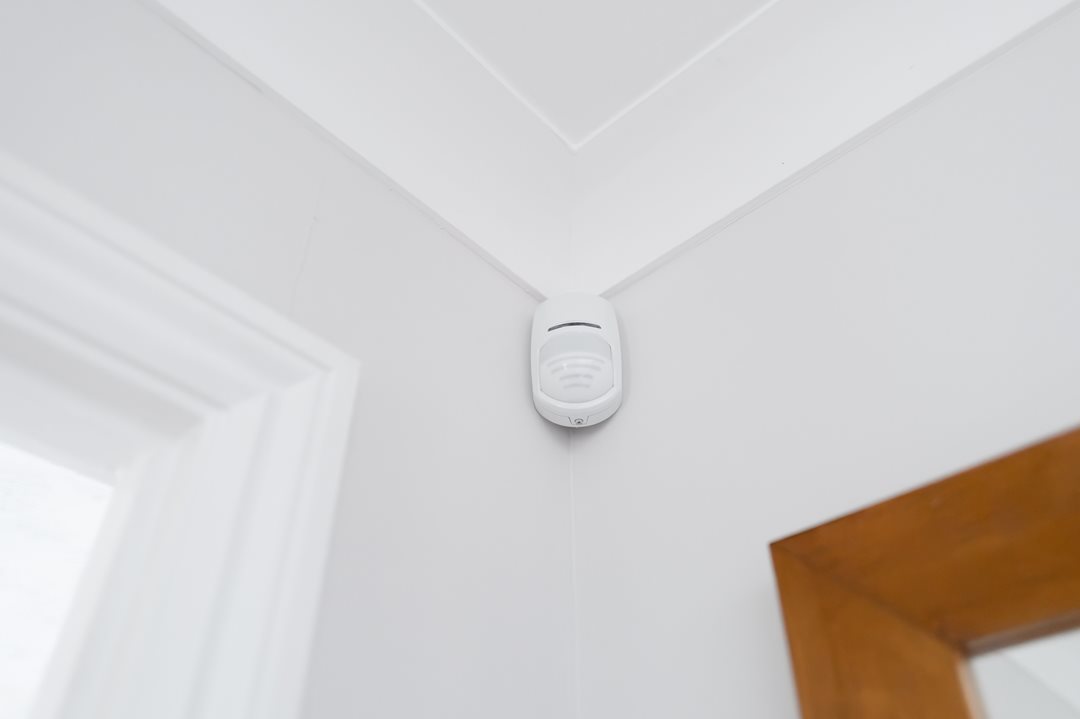
Qualifying systems include those with a local alarm, self-monitoring, or central monitoring. For central burglar alarm systems, that typically means sensors at each entrance and at least one motion sensor per floor, though an all-in-one device can qualify for apartments, condos, or smaller homes.
Gas and Carbon Monoxide Detectors
Carbon monoxide is colorless and odorless, which makes a working detector essential. According to the CDC, more than 400 Americans die from accidental carbon monoxide poisoning each year, and more than 100,000 visit emergency departments.
Combination detectors cover both gas leaks and carbon monoxide from a single device. They qualify under the same criteria as fire alarms: a local alarm or monitoring.
One thing worth knowing: most carbon monoxide detectors have a sensor lifespan of five to seven years, regardless of whether the unit looks or sounds fine. Check the manufacture date on yours.
How the Discount Works
PEMCO's Protection Device Discount applies to each qualifying category separately, which means having devices in more than one category can add up. You don't need all four. Any qualifying device in any category may make you eligible for savings.
To find out what you may qualify for, tell us about your home and a local licensed PEMCO agent will walk you through it. Or call us at 1-800-GO-PEMCO.
Already a PEMCO customer? Sign in at pemco.com or give us a call and we'll take a look at your current policy together.
Share on social media