Generator Safety 101 | PEMCO
How to Use a Generator Safely in the Pacific Northwest
Every major Northwest storm, the same thing happens. Power goes out, people pull out generators, and within hours, emergency calls start coming in for carbon monoxide (CO) poisoning. According to the U.S. Consumer Product Safety Commission, about 100 people die from generator-related CO poisoning every year in the United States. Most of those deaths are preventable.
If you have a generator, or you're thinking about getting one before storm season, here's what you need to know.
What Types of Generators Are There?
Not all generators work the same way, and the differences matter when you're choosing one.
Portable generators run on gasoline or propane and need to be manually started. They're the most common option for homeowners and the most affordable, typically ranging from a few hundred to a couple thousand dollars depending on wattage. They're also the source of most generator-related CO incidents because they require outdoor operation, and people don't always follow that rule under pressure.
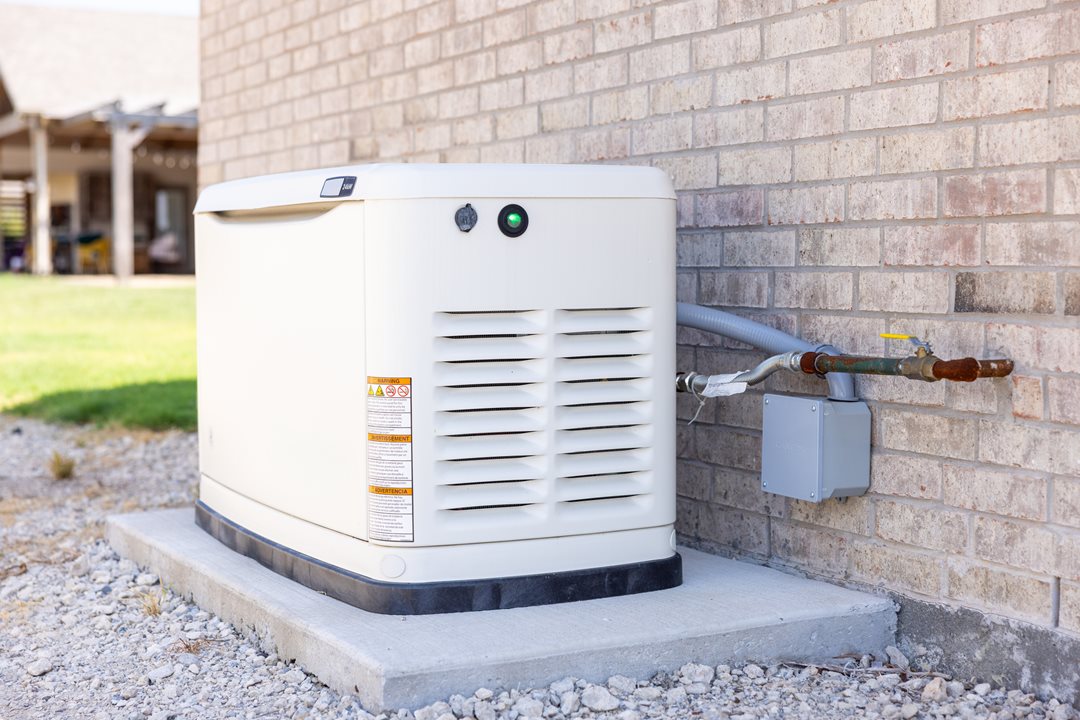
Standby generators are permanently installed outside your home and connect directly to your electrical panel. They run on natural gas or propane and start automatically when the power goes out. They're significantly more expensive, with installation often running $5,000 to $15,000 or more, but they remove most of the human error from the equation. Because they're installed outside and hardwired in, the CO risk is much lower.
Why Are Generators So Dangerous?
Because carbon monoxide is invisible, odorless, and fast-acting.
A generator running in an enclosed space like a garage, a basement, or a covered porch can fill that space with lethal CO concentrations in minutes. The early symptoms mimic the flu: headache, dizziness, nausea. People don't always connect those symptoms to CO exposure, especially when they're tired, stressed, and already managing a storm situation.
The mistake people make most often isn't ignorance. It's pressure. Running a generator outside in the rain is inconvenient. Pulling it into the garage "just for a few minutes" feels like a reasonable compromise. It isn't. CO builds up faster than most people expect, and by the time symptoms become severe, it can be too late to act.
Where Should I Run a Portable Generator?
Outside. That's the short answer.
The CPSC recommends at least 20 feet between your generator and any window, door, or vent. Not five feet, not ten. Twenty. That distance exists because CO can travel through small openings and accumulate indoors even when the generator is outside.
A few specific situations to avoid:
- The garage, even with the door open. This is the most common mistake. An open garage door isn't adequate ventilation. CO still accumulates.
- Under a covered porch or deck. If the structure traps exhaust, it's not safe, even if it feels open.
- Near a window AC unit or dryer vent. CO can enter the home through any opening. Think about where air is being pulled into your house, not just where doors and windows are.
- During rain without a proper canopy. Generators need protection from wet conditions, but the solution is a purpose-built generator canopy that allows airflow, not moving the generator indoors.
What Should I Do Before I Start My Generator?
A few things to check before the first pull:
- Read the manual. Specifically, the wattage capacity. Overloading a generator is a common cause of damage and fire.
- Check the oil. Generators need oil changes just like a car. Running one dry ruins the engine.
- Use fresh fuel. Gasoline degrades over time. If your generator has been sitting since last winter, the fuel in the tank may not run cleanly. Add a fuel stabilizer if you're storing it with gas inside.
- Test it before you need it. Don't find out your generator won't start during a storm. Run it for a few minutes every few months.
- Have a CO detector with battery backup. Your generator produces CO. Your CO detector needs to work when your power doesn't. We cover CO detector placement and Northwest-specific requirements in our CO and gas detectors guide.
How Do I Connect a Generator to My Home Safely?
This is where a lot of people create a second risk without realizing it.
Never plug a generator directly into a wall outlet. This is called backfeeding, and it sends electricity back through your home's wiring and out to the utility lines, where it can electrocute utility workers trying to restore power. It can also damage your appliances and start a fire.
The right way to connect a generator to your home is through a transfer switch, installed by a licensed electrician. A transfer switch isolates your home's circuits from the utility grid before the generator connects. If you're going to use a generator regularly, it's worth the investment.
For occasional use, the simpler approach is to plug appliances directly into the generator using heavy-duty extension cords rated for outdoor use. Not household extension cords. Those aren't built for the load.
What Can a Generator Actually Power?
That depends on the wattage. Most portable generators for home use fall somewhere between 3,500 and 8,500 watts. Here's a rough sense of what that covers:
- A refrigerator uses about 150 to 400 watts while running.
- A window AC unit uses 500 to 1,500 watts.
- A sump pump uses 750 to 1,500 watts.
- A space heater uses 750 to 1,500 watts.
- Lights and phone chargers use relatively little power.
The key number to watch is startup wattage. Most appliances draw significantly more power when they first turn on than when they're running. Your generator needs to handle the startup surge, not just the running load. Check the labels on your appliances and add up the startup wattage before you assume your generator can handle everything at once.
Does Having a Generator Affect My Homeowners Insurance?
A permanently installed standby generator becomes part of your home. If your dwelling coverage limit hasn't been updated to reflect it, you could end up underinsured.
Adding one before storm season? Call us at 1-800-GO-PEMCO or connect with a local agent, and we'll make sure your coverage keeps up.
Share on social media