Tips for dealing with wildfire smoke and poor AQI | PEMCO
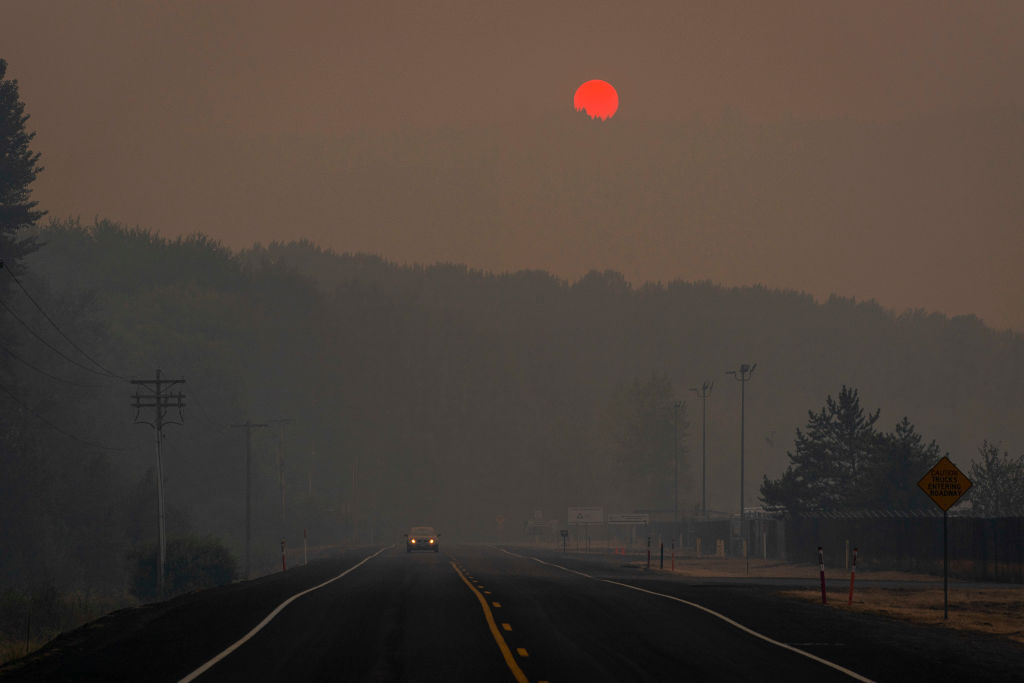 When most of us think about wildfire preparation, we think “house” – cutting back vegetation, creating firebreaks, and ember-proofing roofs and attic vents. But for most people in the Pacific Northwest, wildfire flames aren’t their biggest worry.
It’s smoke, often wafting in from hundreds of miles away.
In 2025, much of the PNW escaped the kind of throat-irritating, eye-stinging, headache-inducing haze that tanks air quality. But historical trends show that last year’s mild season was likely just that – a brief, pleasant reprieve in a steady march toward more smoke-filled days.
Fortunately, there’s plenty you can do to prepare for poor air quality during wildfire season and keep your family safe and comfortable. More on that below.
Has wildfire smoke gotten worse in the PNW?
In a word, yes.
It’s not just that we’re better at measuring smoke and understanding its health impacts. Wildfire smoke is rolling in earlier and staying around longer than it did a decade or two ago.
Scientists measure and quantify air quality using an Air Quality Index (AQI), which you can check anytime using AirNow.gov, a federal site that lets you zoom in on a map to pinpoint air quality in your community.
In a recent study, Oregon’s Department of Environmental Quality used AQI readings to see how the state’s air pollution trends may have changed in the past 25 years. It counted the number of “Unhealthy for Sensitive Groups” (USG) days recorded from 2000 to 2012 and compared them with 2013 to 2025.
The number of dangerously smoky days increased in many areas across the state, including:
-
Bend, up about 17x: 2000-2012, 6 days; 2013-2025, 100 days.
-
Klamath Falls, up about 5x: 2000-2012, 33 days; 2013-2025, 152 days.
-
LaGrande, up about 5x: 2000-2012, 8 days; 2013-2025, 36 days.
-
Medford, up about 7x: 2000-2012, 22 days; 2013-2025, 143 days.
-
Portland, up about 15x: 2000-2012, 2 days; 2013-2025, 29 days.
While Washington doesn’t provide a comparable data set, we know smoke doesn’t stop at state lines! Smoke-fueled air pollution remains a growing concern regionwide.
How can I reduce my exposure to wildfire smoke?
Air pollution is unhealthy for anyone, but it’s especially worrisome for children, the elderly, expectant mothers, and people with chronic conditions. Serious health effects can range from increased risk for asthma attacks to heart, reproductive system, and lung damage.
While it’s probably impossible to escape the effects of wildfire smoke completely, you can take steps to reduce your exposure.
Before smoke is in the air:
-
Stock up on N95 or KN95 masks. Buy or order online now so you won’t face empty store shelves when everyone is scrambling for quality masks. Unlike cloth or paper masks, N95s and KN95s can filter out the most harmful particles in wildfire smoke, thanks to their tight-fitting design and layers of protection. They don’t give you a free pass to carry on as normal during poor air quality, however, since they can’t filter the noxious gases you might encounter near a fire.
-
Research and buy an air cleaner with a HEPA filter. The pleated filters capture and trap particles suspended in the air. When choosing an air cleaner, check its Clean Air Delivery Rating (CADR) to make sure it’s the right size for your room and works to remove smoke. (If you’re buying a filter for your furnace or air conditioning system, always follow manufacturer’s recommendations.)
Once smoke appears:
-
Keep doors and windows closed. If you have air conditioning, use it, but close the fresh air intake and replace the air filter more often. For added protection, use towels to seal cracks under doors and around windows. In your car, use recirculated rather than fresh air (change the setting on your dash). Once air quality improves, open windows to freshen your home, and change your car’s air filter.
-
Postpone some chores. Vacuum the carpet less frequently until smoky conditions pass, since vacuuming can stir up settled particles and send them floating back into the air.
-
Check local air quality reports and visibility guides. That’s especially important if you’re taking a weekend getaway that could land you in a region with poor air quality.
-
Model calm and coping skills for your kids. Reassure them you have a plan to keep them safe, limit their exposure to news coverage, and organize indoor fun with their friends to keep things as normal as possible. The Environmental Protection Agency has a helpful tipsheet on managing stress from wildfire smoke.
Plan, Prepare, and Prevent during wildfire season
You don’t have to go it alone when nature turns difficult.
PEMCO has partnered with experts including the Insurance Institute for Business & Home Safety (IBHS), an independent, nonprofit scientific research and communication organization, to help you get accurate, actionable, and understandable information to keep your home and family safe. For timely tips to Plan, Prepare, and Prevent during wildfire season, check out PEMCO’s wildfire blog. And as always, if you have questions about your PEMCO policy, talk with your local PEMCO agent or call 1-800-GO-PEMCO.
Share on social media