We now insure more EVs, including Rivian. Here's what you need to know | PEMCO
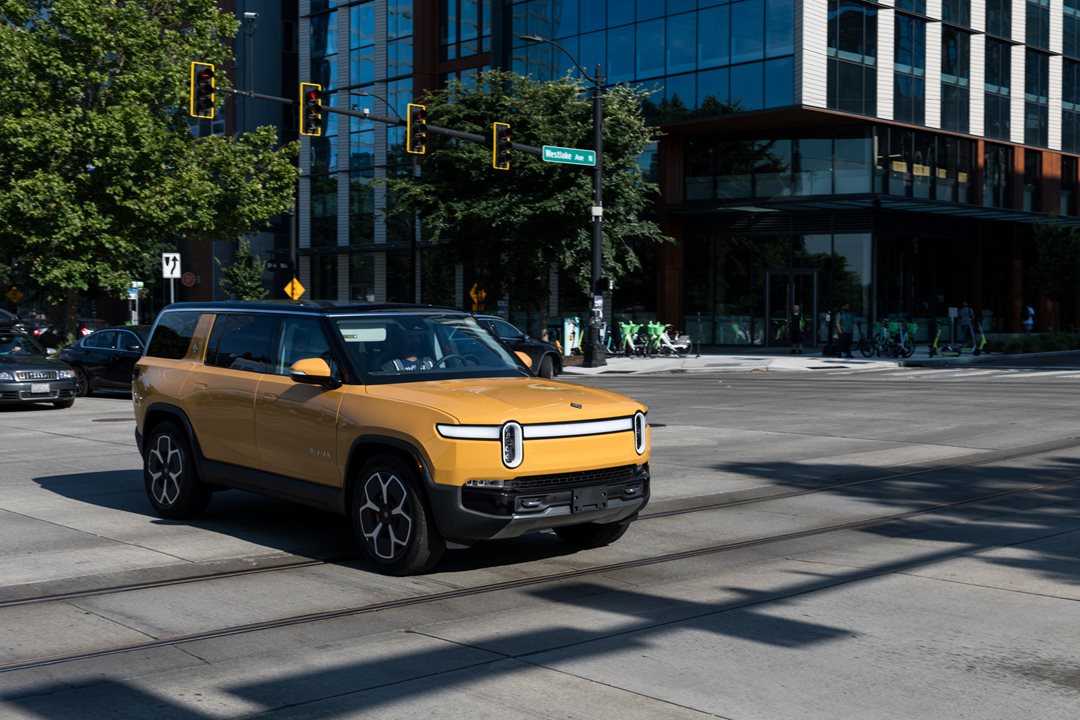 If you've been thinking about switching to an electric vehicle, you may have more insurance options available than before.
PEMCO recently expanded eligibility for certain electric vehicles, including Rivian models R1S and R2, helping more Pacific Northwest drivers find coverage that fits their needs. Additionally, the Rivian pickup truck, R1T, is eligible to be added to existing policies.
But beyond insurance eligibility, many drivers still have questions:
-
Are EVs harder to insure?
-
Are they more expensive to repair?
-
Do they require more maintenance?
-
Are they safe?
If you're considering an EV—or already own one—here's what to know.
More Northwest drivers are considering EVs
Interest in electric vehicles continues to grow across the Pacific Northwest.
According a recent PEMCO Northwest Poll, more than two-thirds of drivers say they're likely to consider a hybrid or electric vehicle the next time they're shopping for a vehicle. While environmental benefits remain important, saving money on fuel has become the top reason drivers are considering making the switch.
At the same time, many consumers still have questions about charging availability, driving range, maintenance, and ownership costs.
Are EVs harder to maintain?
Not necessarily.
Unlike traditional gas-powered vehicles, EVs have fewer moving parts. They don't require oil changes and generally experience less brake wear because regenerative braking helps slow the vehicle while recovering energy for the battery.
According to the U.S. Department of Energy's Alternative Fuels Data Center, battery-electric vehicles typically require less routine maintenance than conventional vehicles because they have fewer components that wear out over time.
That doesn't mean maintenance disappears entirely.
EV owners still need to monitor:
-
Tires
-
Brakes
-
Suspension
-
Cooling systems
-
Battery health
And while batteries are designed to last many years, they remain one of the most significant components of the vehicle. Many manufacturers provide long battery warranties, often covering eight years or more.
Are EVs more expensive to insure?
One common misconception is that EVs are always cheaper to insure because they have fewer maintenance needs.
In reality, insurance premiums are influenced by many factors, including repair costs.
Many EVs contain:
- Advanced driver assistance technology
- Cameras and sensors
- Specialized parts
- Large battery systems
When those components are damaged, repairs can be more complex and expensive than comparable repairs on some conventional vehicles.
The good news is that every vehicle is different. Factors such as model, driving history, location, and coverage choices all contribute to the cost of insurance.
A quote can help determine how an individual vehicle may affect your premium.
EVs continue to earn strong safety ratings
Safety continues to improve across the EV market.
The Insurance Institute for Highway Safety (IIHS) recently evaluated several electric vehicles and found many performed well in crashworthiness and crash prevention testing. The organization also recognized several EVs among its 2026 TOP SAFETY PICK and TOP SAFETY PICK+ award winners. It's worth noting that the Rivian R1S, now eligible for PEMCO, earned a 2026 TOP SAFETY PICK+ designation.
Like any vehicle purchase, safety ratings, driver-assistance features, and overall crash-test performance are worth reviewing before you buy.
Is an EV right for you?
The answer depends on your driving habits, access to charging, budget, and vehicle needs.
For some Northwest drivers, lower fuel costs and reduced routine maintenance make EV ownership appealing. For others, questions about charging availability or long-distance travel may still be considerations.
One often-overlooked consideration is access to repairs. While many EVs require less routine maintenance, repairs can be more complex and may require specialized parts and trained technicians. Before choosing an EV, consider whether the manufacturer has an established service and collision repair network in your area. Access to qualified repair facilities can influence both convenience and how quickly a vehicle can be returned to the road after a loss.
Whatever vehicle you choose, understanding the insurance implications before you buy can help prevent surprises later.
We insure EVs, including Rivian R1S and R2
As the EV market continues to evolve, so are insurance options.
Whether you're considering a Rivian, comparing vehicles, or simply reviewing your insurance options, now may be a good time to take another look at your coverage needs. If you own a Rivian and weren't eligible for a PEMCO policy in the past, you may now have new options available.
Considering an EV? Get a quote and learn how PEMCO can help protect your next vehicle. If you have any questions about your existing coverage, our local agents are standing by and ready to help.
Share on social media